 The Werribee sewage ponds are one of the most popular bird-watching locations in Australia. On a good day, says Birdlife Australia’s Sean Dooley, you may see as many as five or six other cars there.
That was before the tufted duck arrived.
“I counted when I left, there were 35 cars of birders,” Dooley said, adding: “It was a mega-twitch.”
“It’s the biggest twitching event I have witnessed first-hand in Australia — it felt like I was in England,” he said.
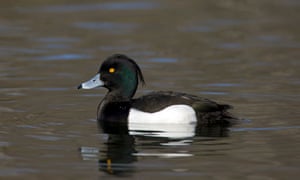
The cause of all this fuss is a rather unassuming-looking black duck with white flanks and bright yellow eyes. It was spotted and identified by some visiting American twichers on 2 January as a male tufted duck, Aythya fuligula, a species of diving duck native to northern Eurasia but not uncommonly found in coastal areas in North America.
It is the first time the species has been sighted in Australia.
The visiting twitchers alerted the locals, who shared the find on social media.
My son Barry and his wife Alice just twitched a first Australia Record at The Werribee Treatment Plant outside Melbourne - a male Tufted Duck@watbirds

See John A Power's other Tweets
Dooley was among the crowds who travelled to the ponds, properly known as the Western Treatment Plant, the day after the tufted duck’s first sighting. More than 50 other birders lined the shores, and crowds have grown daily.
The tufted duck is not as striking to the untrained eye as New York City’s so-called “hot duck”, an escaped mandarin duck that made its home among the more pedestrian species of Central Park and experienced a brief but intense period of international celebrity.
But for Australian birdwatchers, it’s even more exciting. For starters the tufted duck, on current assumptions, made the journey on its own.
Melbourne Water, which owns the treatment ponds and manages them as a bird conservation area, provides permits to allow bird-watching. It has welcomed the sudden spike in visitors.
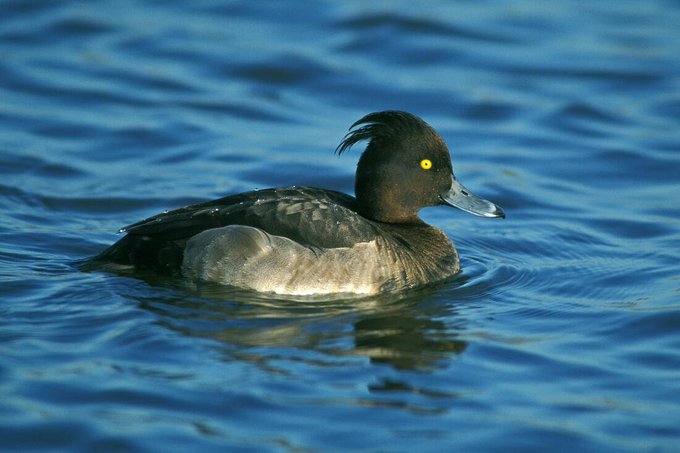
Is this not the coolest duck you've ever seen?We think he should be called Danny Zuko. The Victorian #birdwatching community have spotted a Tufted Duck at our #WesternTreatmentPlant & it's the first ever sighting in Australia! Have you been bird watching @ WTP?
Steve Young

54 people are talking about this
The area has also seen an influx of bird numbers as waterbirds pushed off their usual habitat by drought seek refuge in a wetland that, for water processing reasons, is always full.
“Melbourne Water deserves a pat on the back for the seriousness with which they manage the land for its conservation values,” Dooley said.
Credits: The Guardian
Written by David Davidson